ApplyBuddy

United Kingdom

A degree recognised almost everywhere and usually a year shorter than elsewhere. It costs more, and the visa asks you to show your funds in advance.

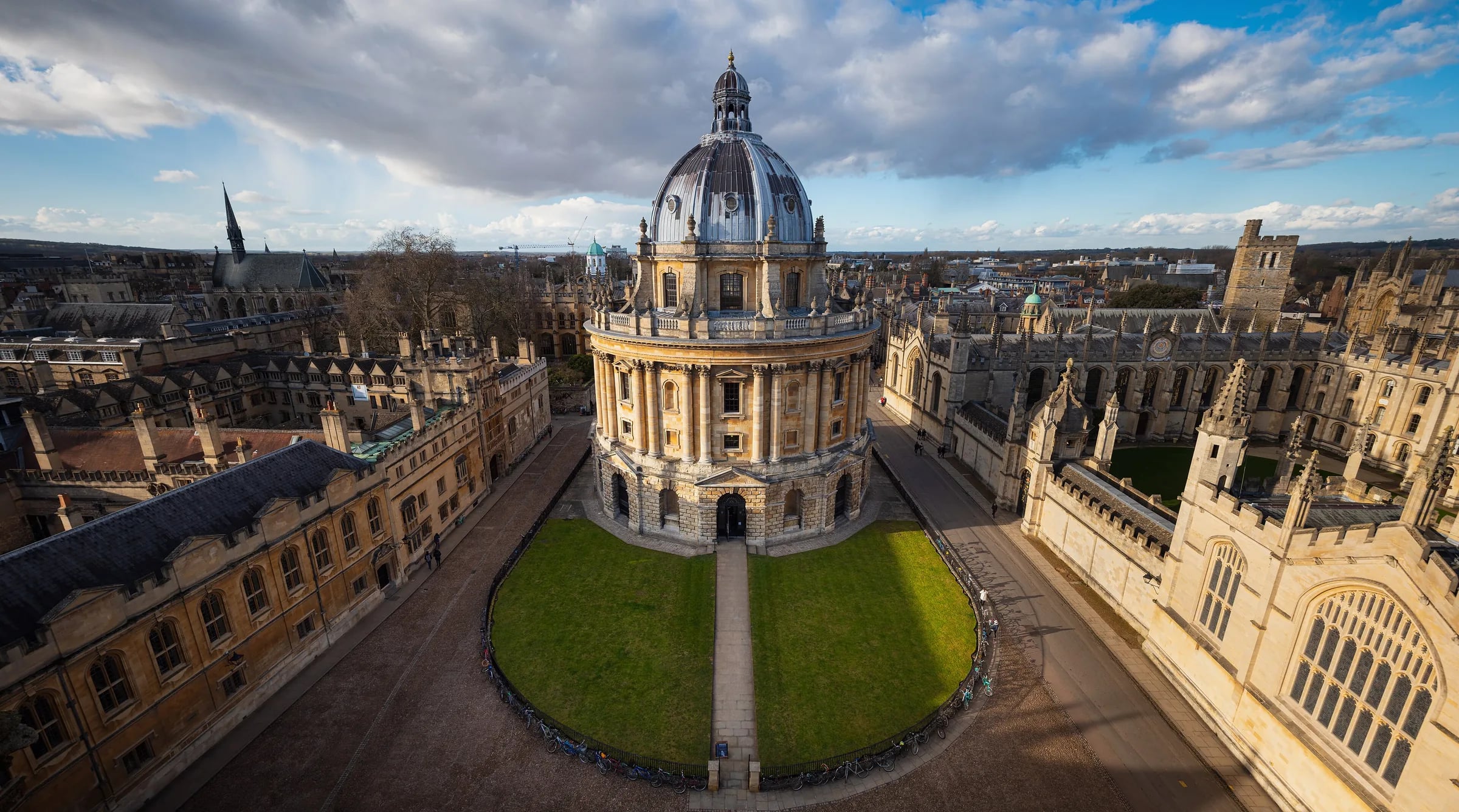
The Radcliffe Camera among the colleges of Oxford
UniversitiesWe place students here one to one
With an advisor
Tuition fromA year, typically
£15,000
Next intake
September and January

Why study in the United Kingdom?

  1. 01 / 03

    Bachelor's degrees in three years, master's in one

  2. 02 / 03

    Universities near the top of every world ranking

  3. 03 / 03

    A visa route to work in the UK after you graduate

At a glance

Tuition a year
£15,000 to £38,000
Living a month
£1,200 to £1,550
Taught in
English
Degree length
3 years, a master's in 1
Work while studying
Up to 20 hours a week in term
After you graduate
The Graduate visa, after your degree
Visa
Student visa before you travel, with proof of funds
Schengen travel
No

Student life in the United Kingdom

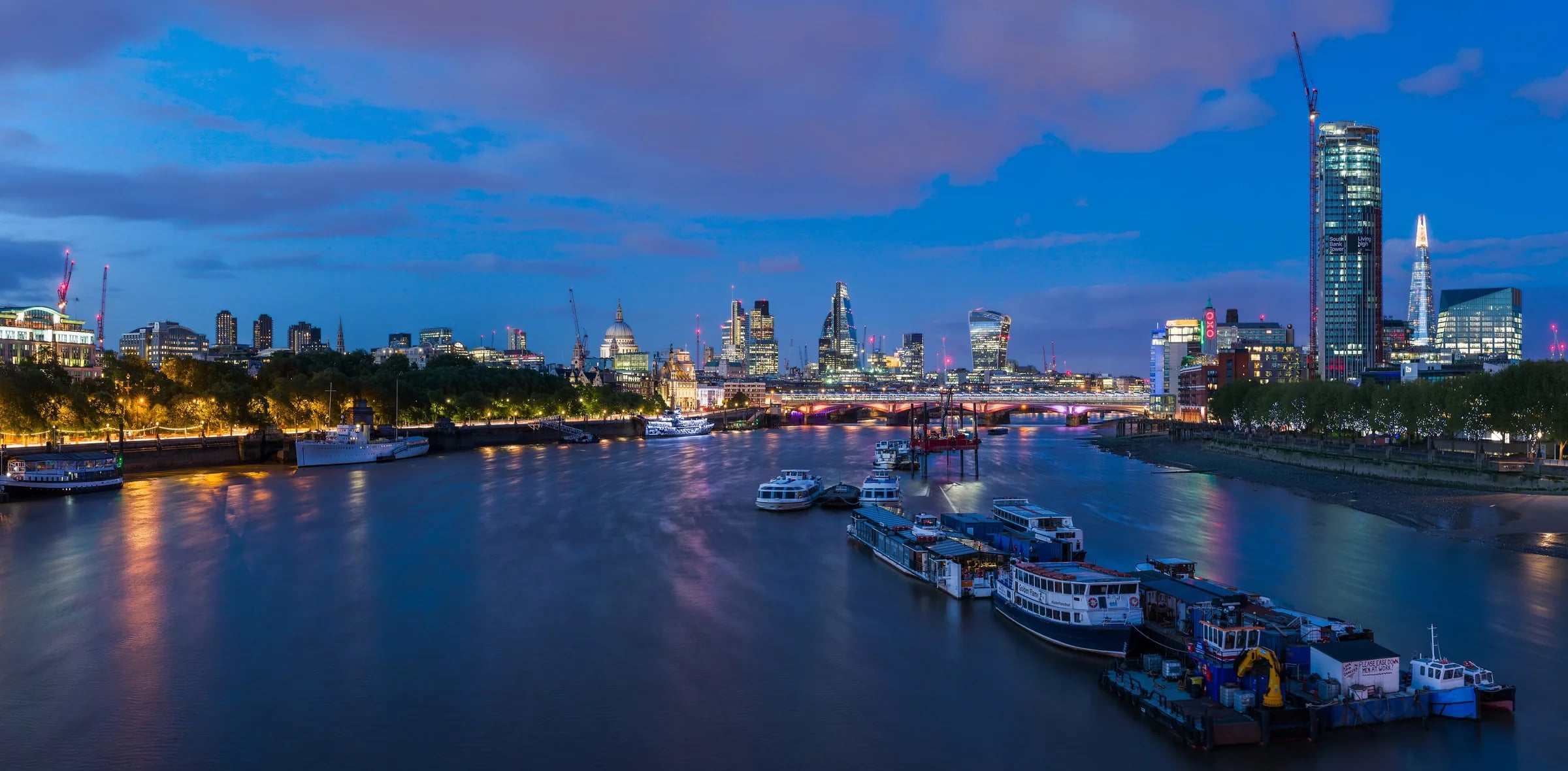
The London skyline and the Thames at dusk from Waterloo Bridge

London

London has forty universities, from world-famous colleges to small schools of art, music and business. The city around them is full of internships, museums and people from everywhere.

It is also the most expensive place in the UK to study. Most students share a flat further out and travel in on a discounted student card.

A month, rent included
£1,400 to £2,000
People
8.9M
Climate
Mild and often grey

We place students here one to one
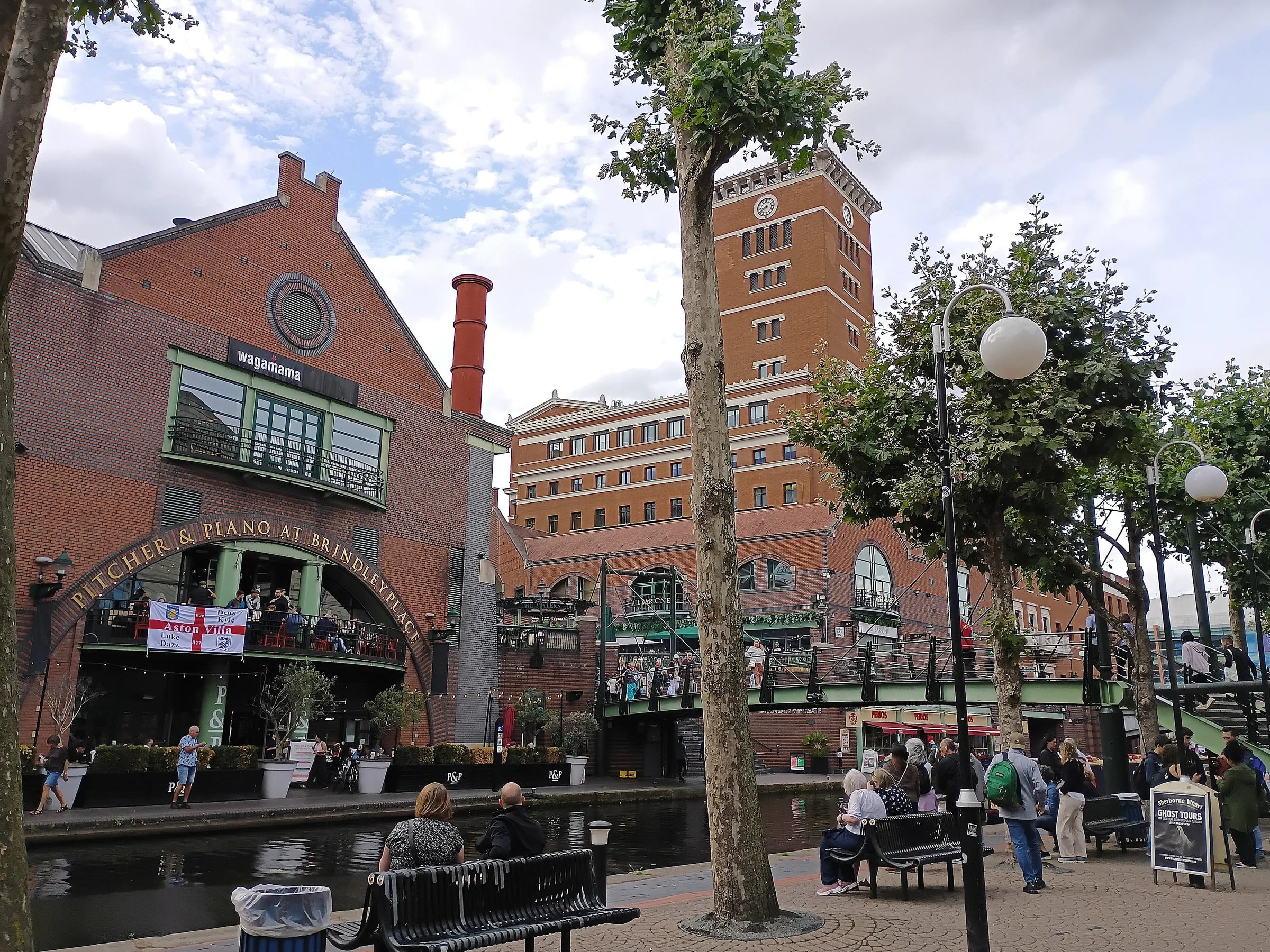
Cafés along the canal at Brindleyplace, Birmingham

Birmingham

The UK's second city, with five universities and one of the youngest populations in Europe. Canals run through the centre, past cafés and the city's concert halls.

It sits in the middle of the country, so London is under an hour and a half by train.

A month, rent included
£950 to £1,300
People
1.2M
Climate
Mild and changeable

We place students here one to one

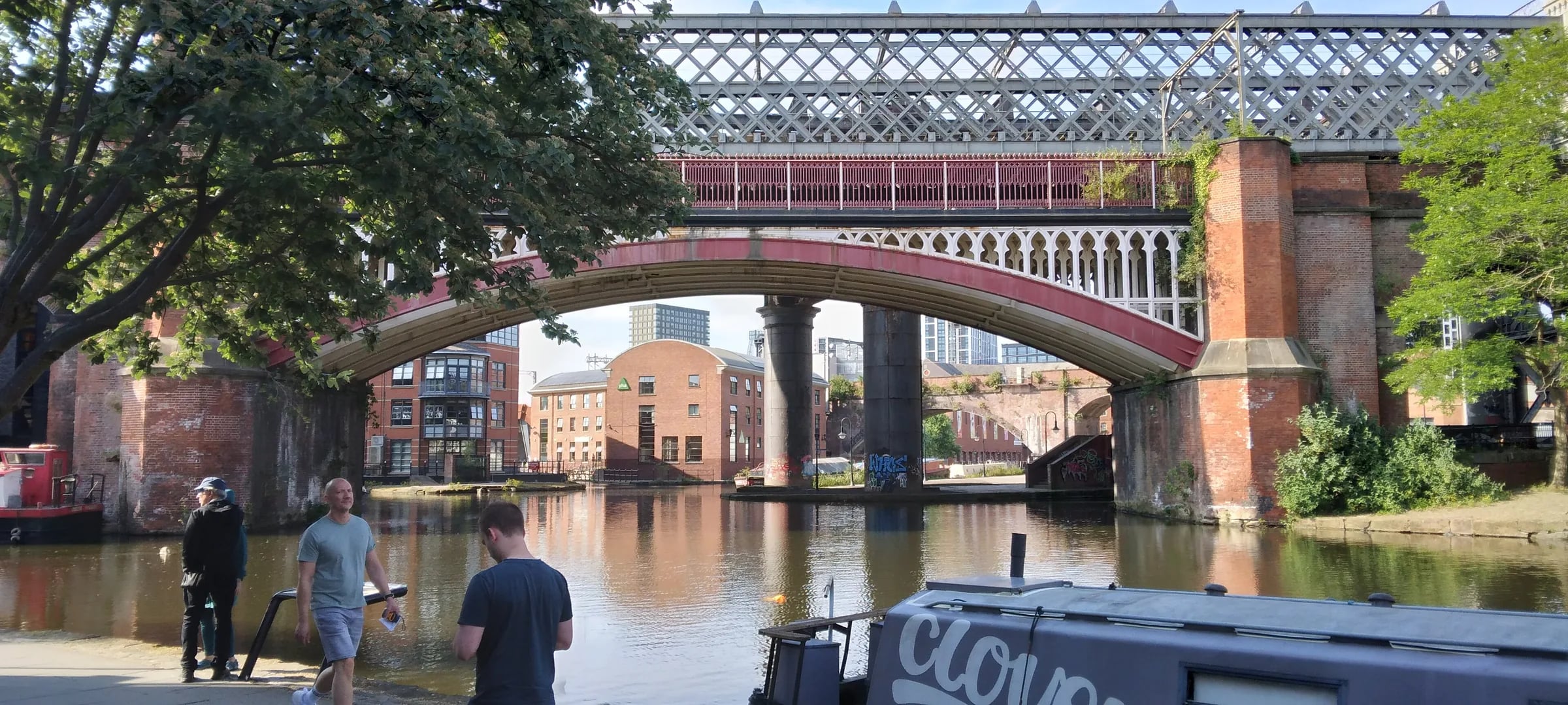
Railway viaducts over the Bridgewater Canal in Castlefield, Manchester

Manchester

One of Europe's largest student cities, with two big universities side by side on Oxford Road. Music, football and a growing tech scene keep it busy all year.

Rent costs far less than in London, and most students live a short bus ride from campus.

A month, rent included
£1,000 to £1,400
People
570K
Climate
Mild and rainy

We place students here one to one

Edinburgh Castle on its rock above Princes Street Gardens

Edinburgh

Scotland's capital wraps around a castle on an old volcano, and its university is one of the oldest and best known in the English-speaking world. In August the whole city turns into the world's largest arts festival.

The centre is walkable, the sea is a bus ride away, and rent sits between Manchester's and London's.

A month, rent included
£1,100 to £1,500
People
520K
Climate
Cool summers, windy winters

We place students here one to one

Arranged one to one, with an advisor

Its universities aren't listed on ApplyBuddy yet. An advisor finds the right program with you, checks your documents and handles the application from start to finish.

From your offer to your residence permit

  1. 1

    Apply

    We shortlist courses with you, write your personal statement together and apply through UCAS or the university.

  2. 2

    Meet your offer

    Most offers ask for your final grades or an English score. Then you pay the deposit and get your CAS.

  3. 3

    Apply for your visa

    Keep your tuition and living money in your account for 28 days, then apply online and give your fingerprints.

  4. 4

    Travel and enrol

    Your visa is digital. Travel before your course starts and enrol in welcome week.

Documents you will need

  • Passport
  • Your CAS number from the university
  • Proof of funds, held for 28 days
  • An IELTS score for UKVI
  • Your last degree and transcript
  • A tuberculosis test certificate

We check every one before anything is sent.

When to apply?

Undergraduate applications through UCAS close in January for most courses. For a master's, apply by spring to leave time for the visa.

When programs start

September and January

An advisor checks the exact deadline for the program you choose.

What students ask us

  • Can I work while I study?

    Yes. On a Student visa for a degree you can work up to 20 hours a week in term and full time in the holidays.

  • What is the Graduate visa?

    After your degree you can stay and work, or look for work, on the Graduate visa without a sponsor. The length depends on your degree and has changed in recent years; we tell you the current rule.

  • Is a UK degree recognised in my country?

    UK degrees are recognised in most countries, especially from well-known universities. Each country has its own rules, so we check your university and course for your country before you apply.

  • Can I bring my family?

    Most students can no longer bring family on a Student visa. Students on research degrees, such as a PhD, usually still can.

  • How do I show the funds?

    The money has to be in an account the visa officer accepts, in your name or a parent's, for 28 days. This is often the hardest part, so we plan it with you early.

  • Are there scholarships?

    Yes, mostly for master's and PhD students, from the universities themselves and from programs such as Chevening. Undergraduate scholarships are fewer and smaller.

Ready for the United Kingdom?

Tell an advisor what you want to study and what you can spend. They shortlist the right programs with you and stay with you until you arrive.