
ApplyBuddy

Hungary

An EU degree that costs far less than in Western Europe, medical schools that have taught in English for decades, and a permit to travel the Schengen area.

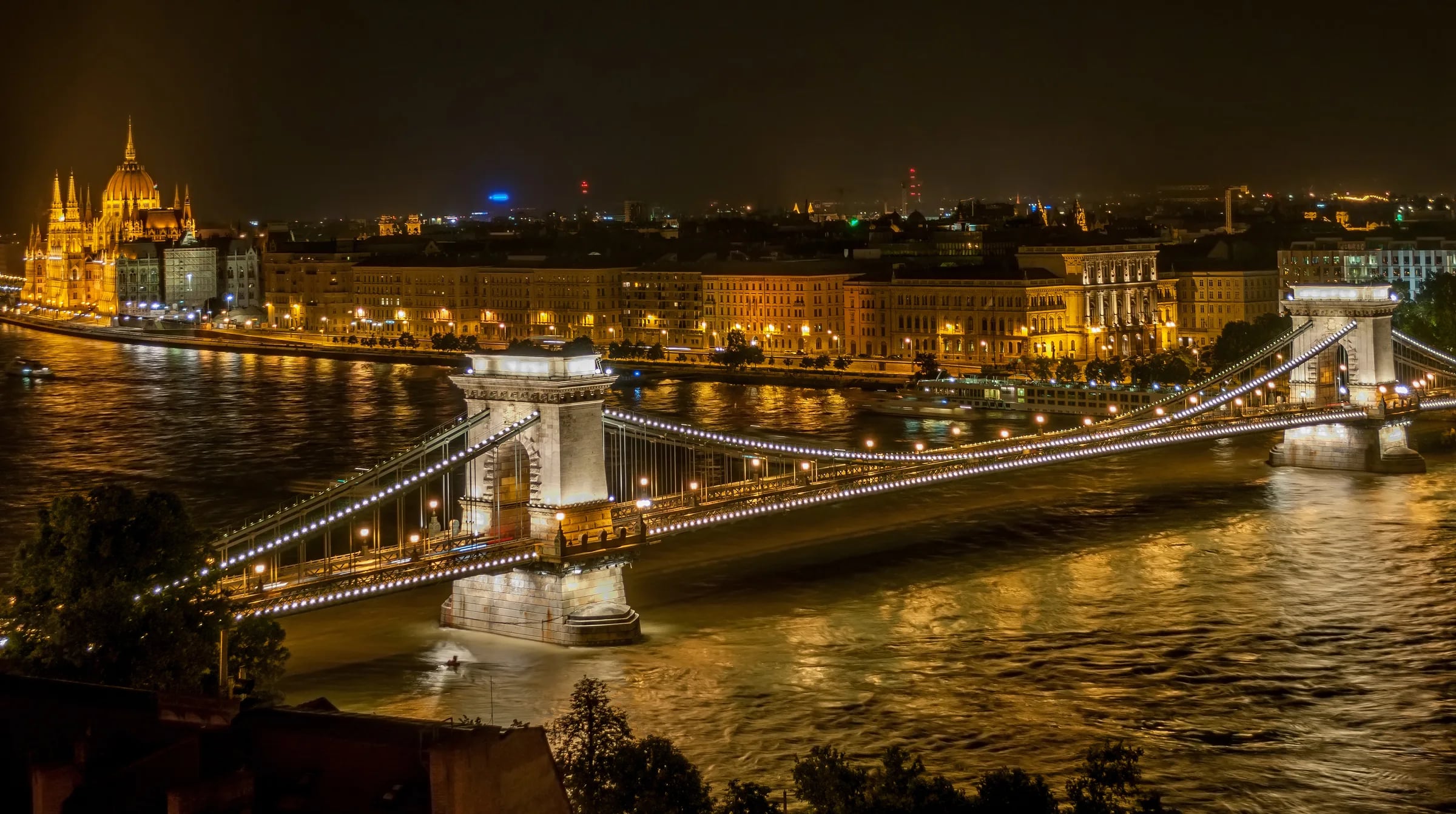
The Hungarian Parliament lit up at dusk, reflected in the Danube
UniversitiesWe place students here one to one
With an advisor
Tuition fromA year, typically
€2,000
Next intake
September, some programs in February

Why study in Hungary?

  1. 01 / 03

    Medical schools with a long international record

  2. 02 / 03

    Travel across the Schengen area on your residence permit

  3. 03 / 03

    Full government scholarships through Stipendium Hungaricum

At a glance

Tuition a year
€2,000 to €18,000
Living a month
€500 to €850
Taught in
English and Hungarian
Degree length
3 to 4 years, medicine 6
Work while studying
Up to 24 hours a week in term
After you graduate
Up to 9 months to find a job
Visa
Residence permit for study, applied for before you travel
Schengen travel
Yes

Student life in Hungary

The Chain Bridge and the Danube lit up at night, the Parliament behind

Budapest

The Danube splits the capital into hilly Buda and lively Pest, and most students end up on the Pest side, a tram ride from the big universities. Thermal baths, ruin bars and cheap concerts make it one of the easiest capitals in Europe to live in on a student budget.

Trams, metro and buses run late, and a student pass covers them all for a few euros a month.

A month, rent included
€600 to €950
People
1.7M
Climate
Hot summers, cold winters

We place students here one to one
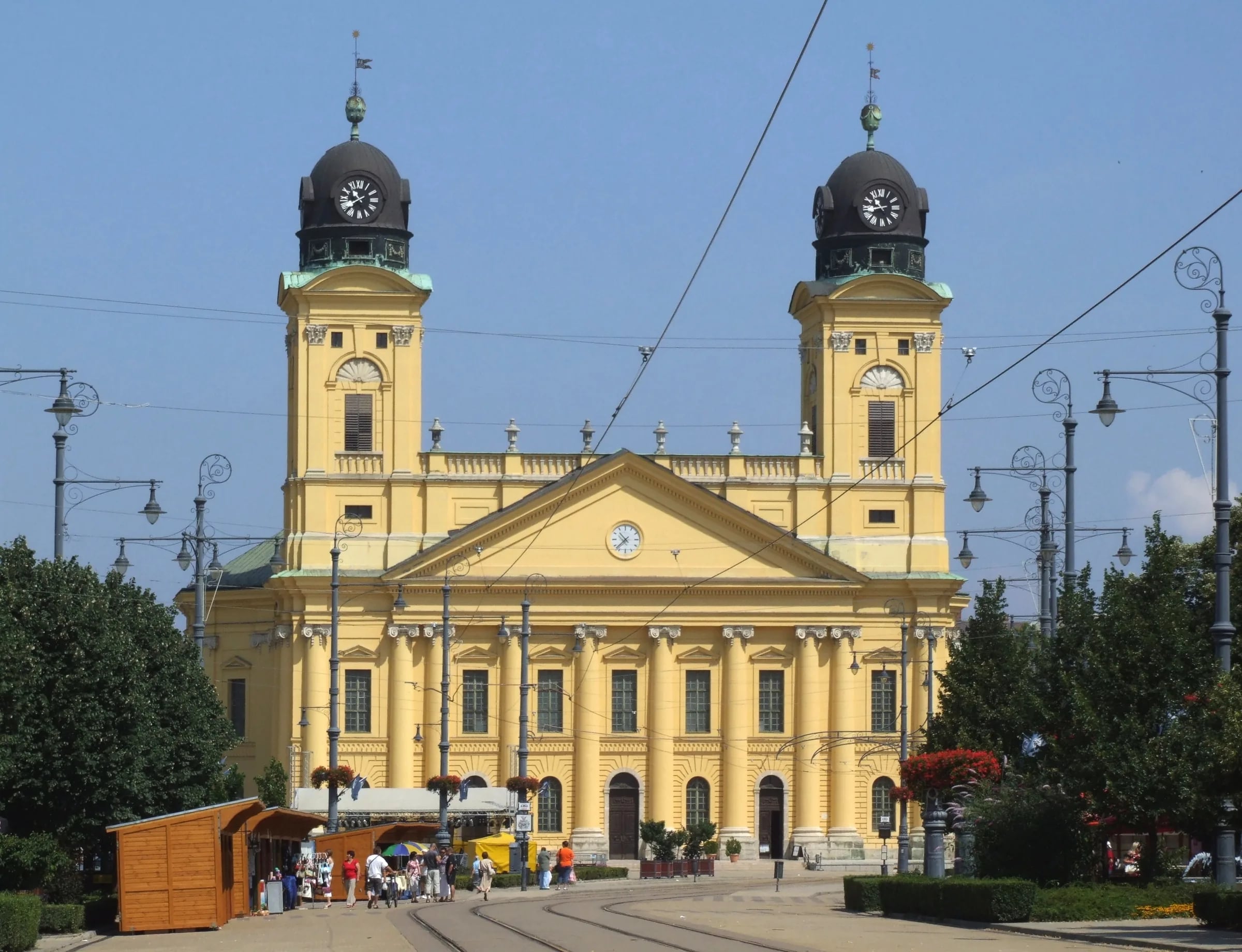
The yellow Great Church of Debrecen on its main square

Debrecen

Hungary's second city is a university town first: one large campus in a park, thousands of international students and a medical school with a long record of teaching in English.

Rent is well below Budapest, and the centre, around the yellow Great Church, is small enough to walk or cycle.

A month, rent included
€450 to €700
People
200K
Climate
Warm summers, cold winters

We place students here one to one
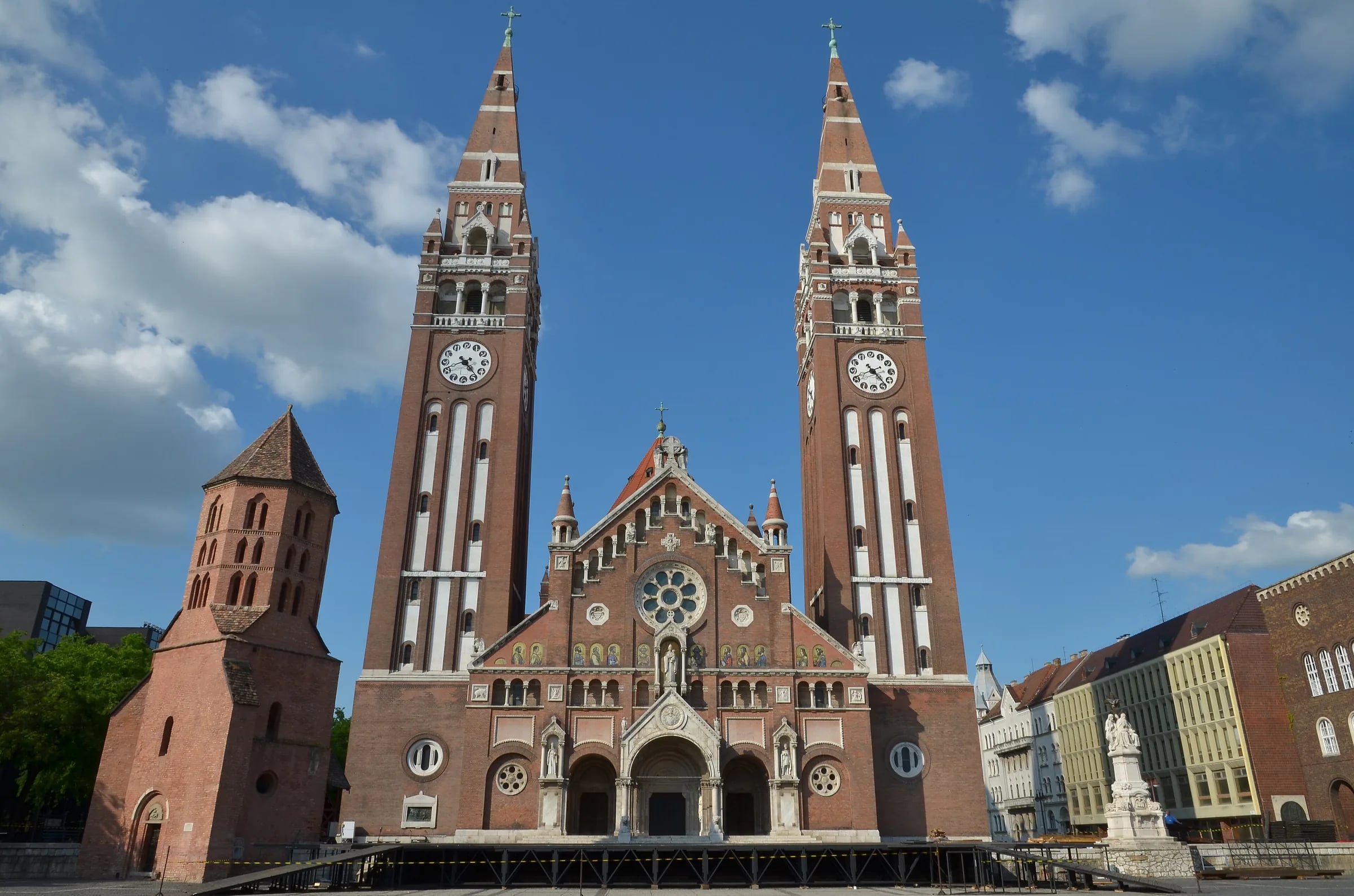
The twin towers of the Votive Church on Dóm Square, Szeged

Szeged

A young, green city on the Tisza river, known as the sunniest in Hungary. Its university is one of the country's best, and students make up a large part of the town.

Life is slower and cheaper than in the capital, with summer festivals on the cathedral square.

A month, rent included
€450 to €700
People
160K
Climate
Hungary's sunniest city

We place students here one to one

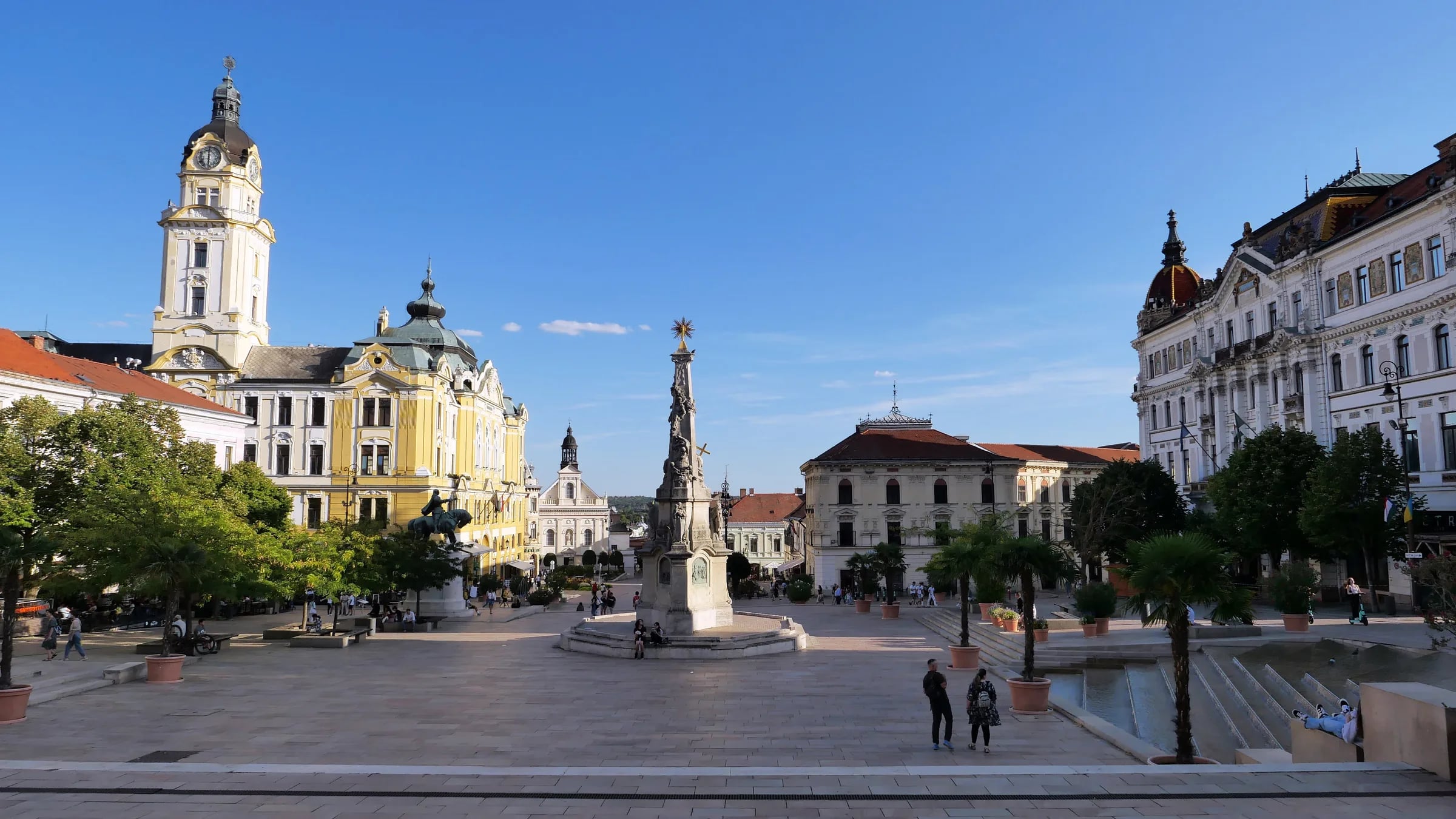
Széchenyi Square in Pécs on a sunny morning

Pécs

A warm southern city at the foot of the Mecsek hills, with Roman tombs, Ottoman mosques and Hungary's oldest university. Its medical and engineering programs teach in English.

The old town is compact, cafés fill the squares, and it is one of the cheapest places in the country to study.

A month, rent included
€420 to €650
People
140K
Climate
Mild and sunny

We place students here one to one

Arranged one to one, with an advisor

Its universities aren't listed on ApplyBuddy yet. An advisor finds the right program with you, checks your documents and handles the application from start to finish.

From your offer to your residence permit

  1. 1

    Apply

    We shortlist programs with you, Stipendium Hungaricum scholarships included where they fit, and prepare your applications.

  2. 2

    Get accepted

    Many universities hold an entrance exam or interview. Once you pass, you pay the first fees.

  3. 3

    Apply for your residence permit

    You apply before you travel, at a consulate or online, with your acceptance letter, housing and insurance.

  4. 4

    Arrive and register

    Register your address and collect your card in your first weeks. It lets you travel across the Schengen area.

Documents you will need

  • A passport valid for your whole stay
  • Your last degree and transcript
  • An English test score
  • Your acceptance letter
  • Proof of accommodation in Hungary
  • Health insurance for your stay
  • Proof of funds

We check every one before anything is sent.

When to apply?

Most programs close their applications in spring or early summer, and the residence permit takes time. Start by March for September.

When programs start

September, some programs in February

An advisor checks the exact deadline for the program you choose.

What students ask us

  • What is Stipendium Hungaricum?

    A Hungarian government scholarship for international students that covers tuition and adds a monthly allowance and housing support. Places are limited and each country has its own deadline, usually in January.

  • Is a Hungarian degree recognised in my country?

    Hungarian degrees are EU degrees, recognised across Europe and widely elsewhere. Rules still differ by country, and for medicine by program, so we check your university and program for your country.

  • Can I work while I study?

    Yes. Your residence permit lets you work up to 24 hours a week during term and full time in the holidays.

  • Can I travel around Europe?

    Yes. With a Hungarian residence permit you can travel across the Schengen area for short stays.

  • What happens after I graduate?

    You can stay up to nine months to look for work or start a business, then switch to a work permit.

  • Do I need to speak Hungarian?

    Not for an English-taught program. Universities offer Hungarian courses, and medical students learn it for work with patients.

Ready for Hungary?

Tell an advisor what you want to study and what you can spend. They shortlist the right programs with you and stay with you until you arrive.